Chemical Label Printing
Chemical label printing is a highly specialised area of label production that requires precision, durability, and strict adherence to regulatory standards. Unlike standard labels, chemical labels must perform in demanding environments while clearly communicating essential safety information. From industrial chemicals to cleaning products and hazardous substances, accurate labelling is critical not only for operational efficiency but also for legal compliance and user safety.
At Acorn Clearprint, chemical label printing is approached with a clear understanding of these challenges. Labels must remain legible and securely attached throughout their lifecycle, even when exposed to harsh conditions such as moisture, chemicals, abrasion, and fluctuating temperatures. At the same time, they must present vital information in a clear and structured format, ensuring that handling instructions, hazard warnings, and product identification are immediately visible.
What is Chemical Label Printing?
Chemical label printing involves the production of labels specifically designed for substances that may be hazardous, regulated, or sensitive to environmental conditions. These labels are not only used for identification but also serve as a critical communication tool, providing essential safety information to anyone handling the product.
Unlike general-purpose labels, chemical labels must follow strict guidelines regarding layout, content, and durability. This often includes hazard symbols, warning statements, handling instructions, and classification information. Labels must be clear, consistent, and resistant to wear, ensuring that important details remain visible throughout the product’s lifecycle.
The printing process must also be precise. Barcodes, batch numbers, and regulatory information must be sharp and scannable, while colours and symbols must be accurately reproduced to meet recognised standards. Any compromise in quality can lead to misinterpretation, operational delays, or compliance issues.
By working with a specialist provider, businesses can ensure that their chemical labels meet all necessary requirements while maintaining a professional and consistent appearance across their product range.
Compliance & Regulatory Requirements
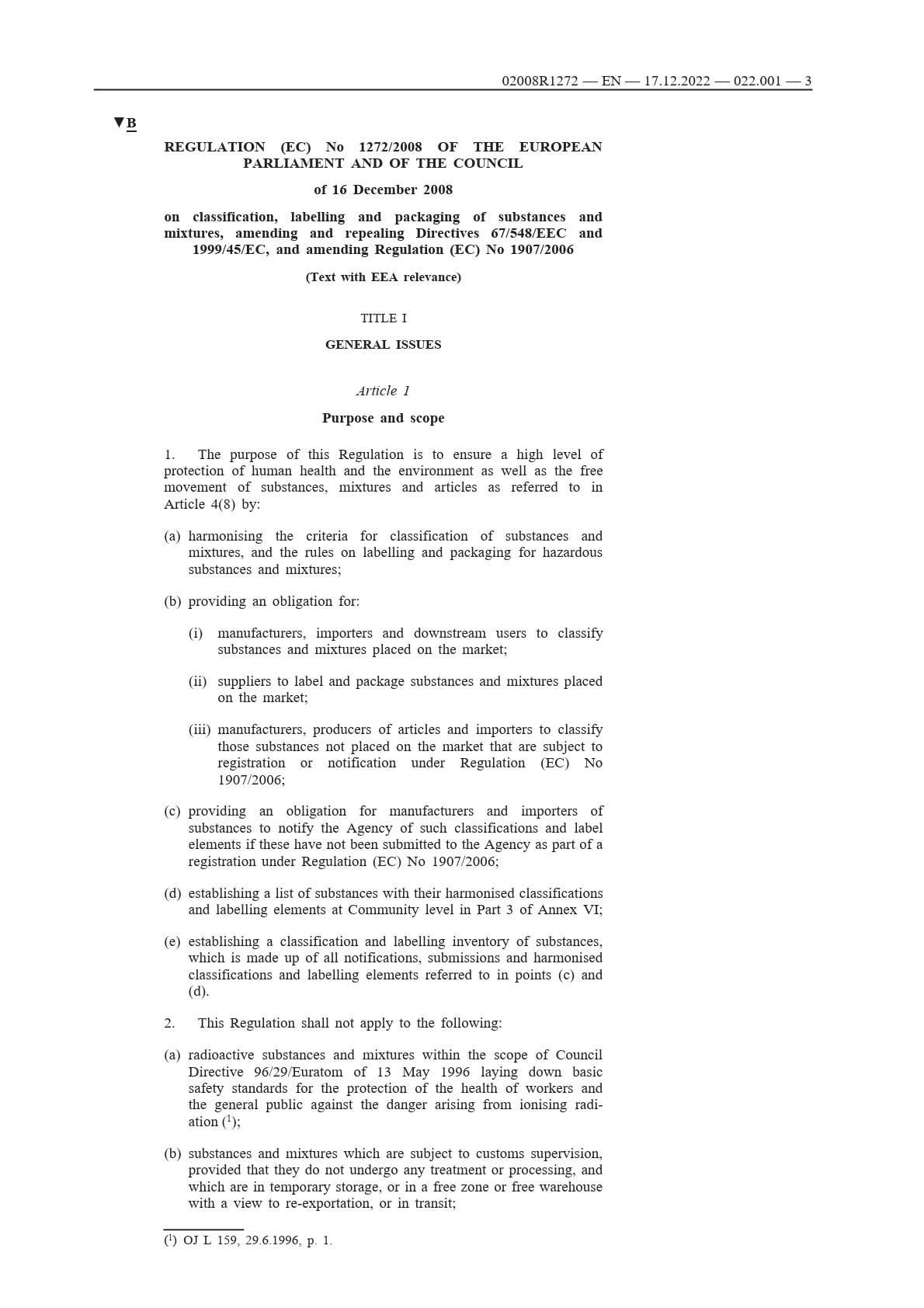
One of the most important aspects of chemical label printing is compliance. Labels must meet strict regulations to ensure that products are handled, stored, and transported safely. In the UK and across Europe, this typically involves adherence to CLP (Classification, Labelling and Packaging) regulations, which define how hazardous substances should be labelled.
These requirements cover everything from the size and placement of hazard symbols to the wording of warning statements. Labels must clearly communicate risks and provide guidance on safe handling, ensuring that anyone interacting with the product understands the potential hazards.
Failure to comply with these regulations can result in serious consequences, including fines, product recalls, and reputational damage. This is why it is essential to work with a label printing provider that understands the importance of accuracy and consistency.
At Acorn Clearprint, every label is produced with compliance in mind. By ensuring that all elements are printed clearly and correctly, businesses can have confidence that their products meet the required standards while maintaining a professional and reliable presentation.
Materials & Durability
Chemical labels must be built to withstand environments that would quickly degrade standard labels. Exposure to liquids, solvents, oils, and extreme temperatures can cause ordinary labels to fade, peel, or become unreadable. For this reason, selecting the right materials is essential.
Synthetic materials are often used for chemical labels due to their durability and resistance to harsh conditions. These materials can withstand exposure to chemicals and moisture while maintaining their integrity over time. In addition, specialised adhesives ensure that labels remain securely attached to a wide range of surfaces, including plastic containers, metal drums, and glass bottles.
Print durability is equally important. High-quality printing processes ensure that text, barcodes, and symbols remain sharp and legible, even after prolonged exposure to challenging environments. This helps to maintain safety, compliance, and operational efficiency.
By combining the right materials with expert printing techniques, chemical labels can deliver long-lasting performance, ensuring that critical information remains visible and reliable from production through to end use.
Types of Chemical Labels
Chemical label printing can be tailored to suit a wide range of applications, depending on how the labels will be used and what level of flexibility is required.
Custom Shapes & Label Sizes
Not all products are suited to standard label shapes, which is why flexibility in design and production is essential. At Acorn Clearprint, there is a strong chance that an existing stock cutter will already match your requirements, helping to keep costs efficient while maintaining fast turnaround times. However, for products with more unique packaging, bespoke shapes can be created to ensure a perfect fit.
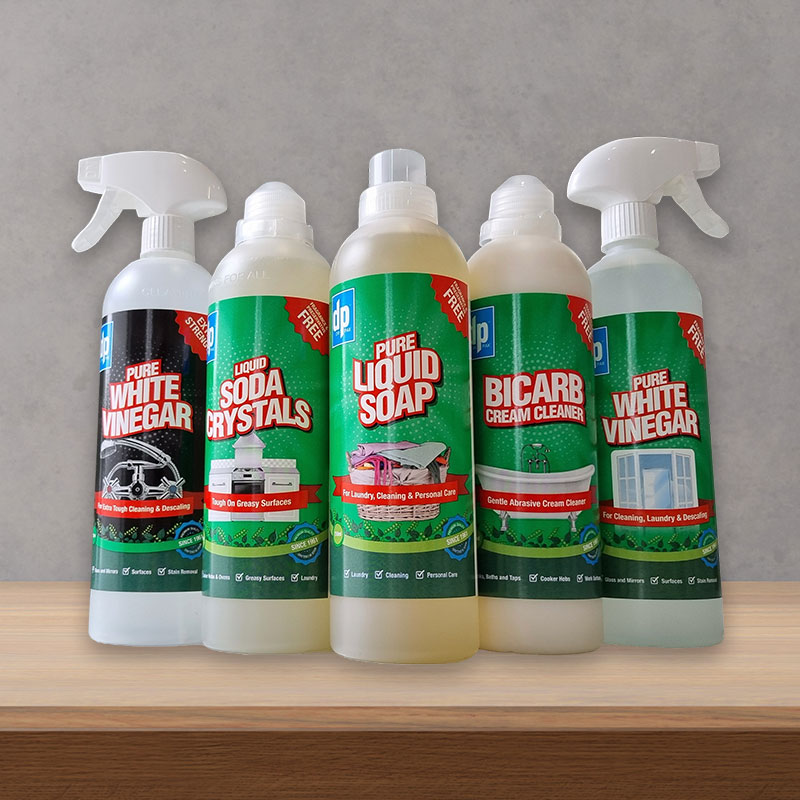
Custom shaped labels are particularly useful for items such as trigger spray bottles, tapered tubs, and other non-standard containers where a traditional square or rectangular label may not apply cleanly. By tailoring the shape of the label to the product, you not only improve adhesion and durability but also enhance the overall presentation.
This level of flexibility ensures that your labels work seamlessly with your packaging, rather than against it. Whether you require a simple adjustment to an existing size or a completely bespoke shape, Acorn Clearprint can accommodate your needs. The result is a professional finish that supports both functionality and brand appearance, ensuring your chemical labels perform effectively in real-world conditions.

Your Label Printing Partner
Whether you require short runs for specialist products or high-volume production for large-scale distribution, having a reliable label printing partner ensures consistency across every batch. With the right materials, adhesives, and print processes, chemical labels can be produced to meet both practical and regulatory demands, giving you confidence that your products are labelled correctly and professionally.
Barcode Integration & Variable Data
Many chemical labels incorporate barcodes to support inventory management, traceability, and compliance. These barcodes allow products to be tracked throughout the supply chain, improving efficiency and reducing the risk of errors.
Variable data printing enables each label to carry unique information, such as batch numbers, serial codes, or expiry dates. This is particularly important in regulated industries where traceability is essential.
By integrating barcodes and variable data into chemical labels, businesses can streamline their operations while maintaining full control over their products.
Linear barcodes, often referred to as 1D barcodes, consist of a series of vertical lines and are commonly used for product identification and inventory management. These are easy to print and scan, making them suitable for high-speed environments such as retail checkouts.
Two-dimensional (2D) barcodes, such as QR codes and DataMatrix codes, can store significantly more data and are increasingly used for tracking, authentication, and digital interaction. They are particularly useful where space is limited or where additional information needs to be encoded.
Choosing the correct barcode format is essential to ensure compatibility with scanners and systems already in use. It also helps to maintain compliance with industry regulations and standards. Below are some of the most commonly used barcode types.
Industries That Require Chemical Label Printing
Chemical label printing is used across a wide range of industries, each with its own specific requirements.
We’re Here to Help
If you’re looking for reliable chemical label printing, Acorn Clearprint is here to help. Whether you need durable labels for harsh environments or compliant solutions for regulated products, we can provide a tailored service to meet your requirements.
Get in touch today to discuss your needs and find the right solution for your business.
Acorn Clearprint combines decades of industry experience with a strong commitment to quality, reliability, and customer service. Originally established in the mid-1980s as Acorn Maltone, the business has grown steadily over the years, building a reputation for producing high-quality labels across a wide range of industries. A key milestone came in 2012, when Acorn Maltone merged with Preston-based Clearprint Labels. This brought additional printing capacity and flexibility, as well as the formation of the Acorn Clearprint name, representing continuity, experience, and progression.
With over 30 years of expertise, the team has worked with businesses of all sizes, including well-known national brands. This depth of experience ensures that every project is handled with a clear understanding of both technical requirements and real-world applications.
Quality and consistency are central to everything Acorn Clearprint delivers. The company previously held the BRC Global Standard for Packaging for over 15 years, demonstrating a long-standing commitment to high standards. In 2022, this transitioned to ISO 9001 certification, ensuring a quality management system that supports ongoing improvement, traceability, and reliability across all processes.
Customers also benefit from experienced, knowledgeable support. The studio manager, often the first point of contact, has been with the company since 1993 and brings a wealth of expertise in artwork preparation and technical specification. This ensures that every label not only looks professional but performs exactly as required.
With modern printing technology, flexible production capabilities, and a highly experienced team, Acorn Clearprint provides dependable chemical label printing solutions tailored to the needs of each customer.